Comparing Ledger and Trezor: Choosing the Right Hardware Wallet for Crypto Self-Custody
Discover how to choose between Ledger and Trezor wallets for effective cryptocurrency self-custody. Secure your digital assets with expert insights and...
In this article
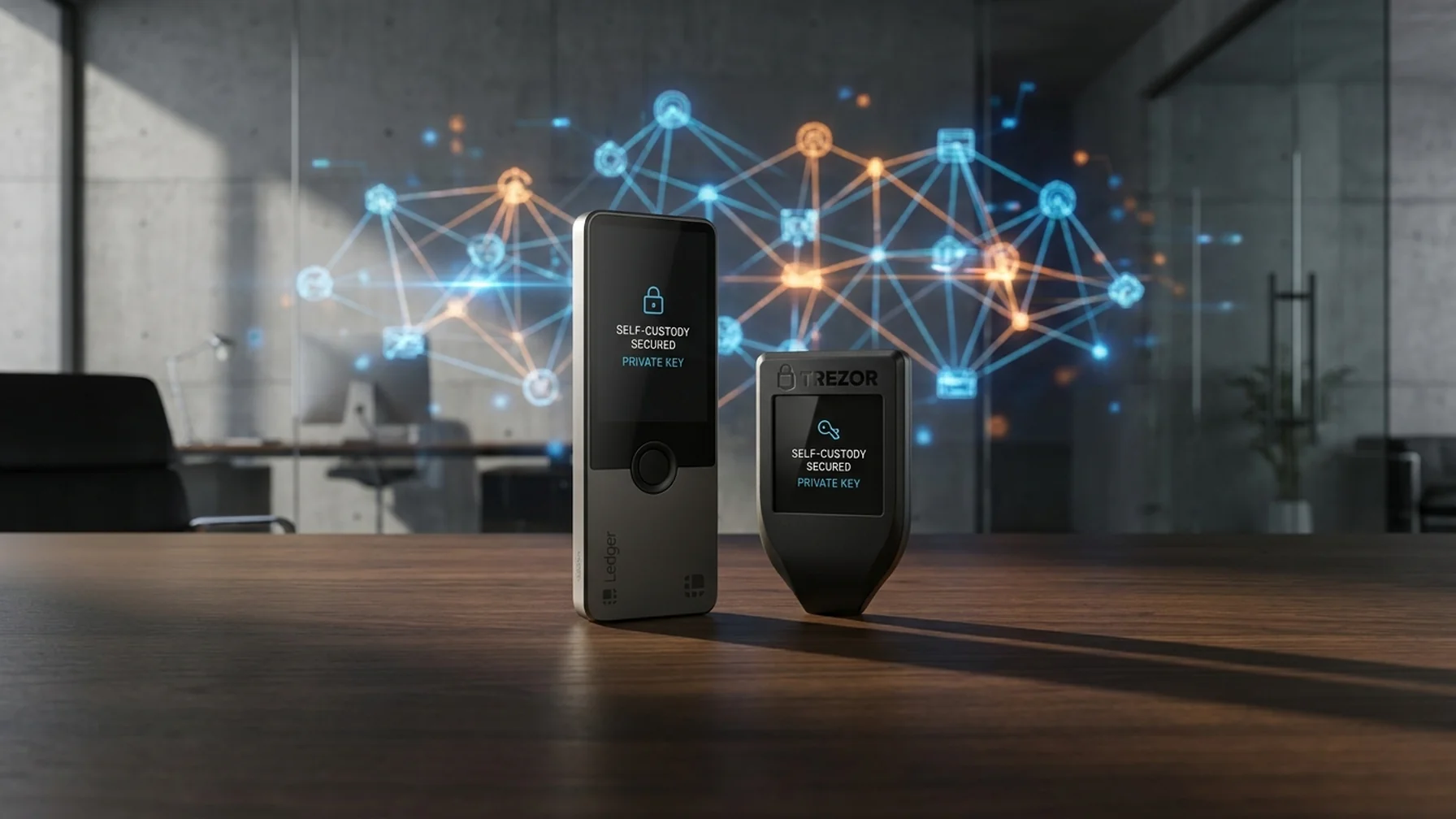
As the cryptocurrency landscape expands, securing digital assets becomes increasingly vital. When comparing Ledger and Trezor, two leading hardware wallets, it's essential to understand their role in self-custody. These devices enable individuals to control their cryptocurrencies rather than relying on exchanges. With the rising threats of hacks and exchange failures, managing one's own crypto is not just prudent but necessary. This article delves into the features, security, and usability of Ledger and Trezor, guiding you in making an informed choice.
Understanding Self-Custody in Cryptocurrency
Self-custody in cryptocurrency means personally managing your digital assets instead of entrusting them to third-party services. The phrase "not your keys, not your coins" underscores the risks associated with leaving assets on exchanges, which can be susceptible to hacks or failures. By controlling your private keys, you ensure your coins remain secure, mitigating the risks of exchange-related issues like those seen during the Mt. Gox hack.
Ledger vs Trezor: Key Comparisons
When comparing Ledger and Trezor, several features stand out that can influence your decision. Below is a table that outlines the key differences between these two hardware wallets, helping you weigh your options effectively:
Hardware Wallet Features Comparison:
| Feature | Ledger | Trezor |
|---|---|---|
| Supported Coins | Over 1,800 | Over 1,000 |
| Security Features | Secure Element Chip | Open Source Code |
| User Interface | Ledger Live App | Trezor Suite |
| Price Range | $59 - $119 | $69 - $219 |
| Backup Options | 24-word recovery phrase | 12-word or 24-word recovery phrase |
| Setup Complexity | Moderate | Easy |
Both Ledger and Trezor provide robust security, but they differ in coin support and user interfaces. Ledger's secure element chip offers advanced protection, while Trezor's open-source code prioritizes transparency. A tech-savvy user might lean towards Ledger for its features, whereas a beginner might prefer Trezor's straightforward setup.
Factors to Consider When Choosing a Wallet
When deciding between Ledger and Trezor, consider the following crucial factors:
- Security Features: Both wallets employ strong security measures, though their approaches differ.
- User Interface: The ease of use can affect the experience for both novices and experienced users.
- Cryptocurrency Support: The range of supported coins may influence your choice depending on your portfolio.
Understanding these aspects can help users select the wallet that best suits their needs, ensuring a secure and user-friendly experience.
How to Transfer Crypto from an Exchange to a Hardware Wallet
Transferring your cryptocurrency from an exchange to a hardware wallet enhances security. Follow these steps to ensure a safe transfer:
- Set up your hardware wallet, such as Ledger or Trezor, securely.
- Retrieve the wallet's receiving address.
- Log in to your exchange account and initiate a withdrawal.
- Input your wallet address and confirm the transaction.
By following these steps, you can securely store your assets under your control, reducing risks associated with third-party holdings. For example, a user moving assets from Binance to a hardware wallet would follow these steps to safeguard their investments.
What Are Hardware Wallets?
Hardware wallets are physical devices that securely store cryptocurrency private keys offline. These wallets are considered one of the safest storage methods as they keep your keys away from online threats. They are especially recommended for beginners due to their ease of use and strong security. For instance, a new investor can use a hardware wallet to protect their holdings while gaining confidence in crypto trading.
Setting Up Your Hardware Wallet
Setting up a hardware wallet involves several important steps:
- Connect the wallet to your computer and follow the setup instructions.
- Create a recovery phrase and store it securely.
- Install the wallet’s companion software, like Ledger Live or Trezor Suite.
- Transfer your cryptocurrency to your hardware wallet.
These steps ensure your wallet is ready for secure crypto transactions. A user setting up their first Trezor wallet would carefully follow each step to protect their investments against potential threats.
Are Hardware Wallets Safe?
Hardware wallets are generally safe, storing private keys offline to minimize exposure to online threats. Always purchase from official sources to avoid counterfeit products. Regular firmware updates also help maintain security. For example, purchasing a Ledger from an unauthorized seller could result in receiving a compromised product, highlighting the importance of verified purchases.
Recognizing and Avoiding Crypto Scams
Common crypto scams include phishing, fake wallet apps, and address poisoning. Phishing often involves fraudulent emails or websites mimicking legitimate services. Always verify URLs and never share your private keys. For example, encountering a fake Trezor support email could lead to a security breach, stressing the need for constant vigilance.
Backing Up and Recovering Your Crypto Wallet
A recovery phrase, or seed phrase, is essential for accessing your wallet if the device is lost or damaged. Store this phrase securely, either physically or digitally encrypted. Losing your seed phrase can make wallet recovery nearly impossible, underscoring the need for careful backup management. A real-world scenario could involve a user who accidentally damages their Ledger device but retains access through a securely stored recovery phrase.
Conclusion: Choosing the Right Hardware Wallet for Your Needs
In choosing between Ledger and Trezor, consider factors like supported cryptocurrencies and preferred user interfaces. Both wallets offer strong security, making them excellent choices for self-custody. By understanding how to securely manage your crypto assets, you can protect against potential risks and scams in the crypto world. A user prioritizing coin support might choose Ledger, while another valuing transparency might opt for Trezor.