Protecting Crypto from 51 Percent Attacks: Strategies and Tools
Learn how to safeguard your cryptocurrency against 51 percent attacks with essential strategies and tools to enhance your blockchain security.
In this article
The cryptocurrency landscape is full of opportunities but also fraught with risks, including the notorious 51 percent attack. This type of attack poses a significant threat to blockchain networks, where a single entity gains control over more than half of the network's hashing power. Such control allows the attacker to reverse transactions, double-spend coins, and prevent new transactions from gaining confirmations. Understanding and safeguarding against these threats is crucial for anyone involved in cryptocurrency. This guide will explore the mechanisms of a 51 percent attack, the importance of self-custody, and tools that can enhance your crypto security.
How a 51 Percent Attack Works
A 51 percent attack occurs when a single entity gains control of more than half of a blockchain's hashing power. This control allows the attacker to manipulate transactions, potentially leading to double spending. While these attacks are rare on large networks, smaller and less secure blockchains are vulnerable. For instance, in 2018, Bitcoin Gold, a smaller cryptocurrency, suffered such an attack, resulting in over $18 million in double-spent coins. These incidents highlight the necessity for cryptocurrency users to stay informed and protected.
Strategies to Protect Against 51 Percent Attacks
Protecting cryptocurrencies from 51 percent attacks involves implementing various strategies. Each method helps strengthen the network's resilience against potential attacks.
| Protection Strategy | Effectiveness | Implementation Complexity |
|---|---|---|
| Proof of Stake (PoS) | High | Medium |
| Diversity of Miners | Medium | Low |
| Network Monitoring | Medium | High |
| Multi-Signature Transactions | High | Medium |
| Checkpointing | High | Medium |
The table indicates that while several strategies offer high effectiveness in preventing 51 percent attacks, their complexity in implementation varies. Choosing the right approach depends on the specific cryptocurrency's infrastructure and the resources available for securing the network.
Steps to Safeguard Your Cryptocurrency
To protect your cryptocurrency from potential 51 percent attacks, it is essential to follow a series of proactive measures. These steps will help ensure the integrity and security of your blockchain network.
- Utilize a diverse set of mining pools to reduce the likelihood of a single entity gaining majority control.
- Implement checkpointing mechanisms to restore the network's state if a 51 percent attack occurs.
- Encourage the development of stronger consensus algorithms that enhance security against such threats.
By implementing these protective measures, you can significantly enhance your cryptocurrency's resilience against 51 percent attacks, thereby fostering a more secure digital environment for all users.
Self-Custody vs. Exchange Storage: What's Safer?
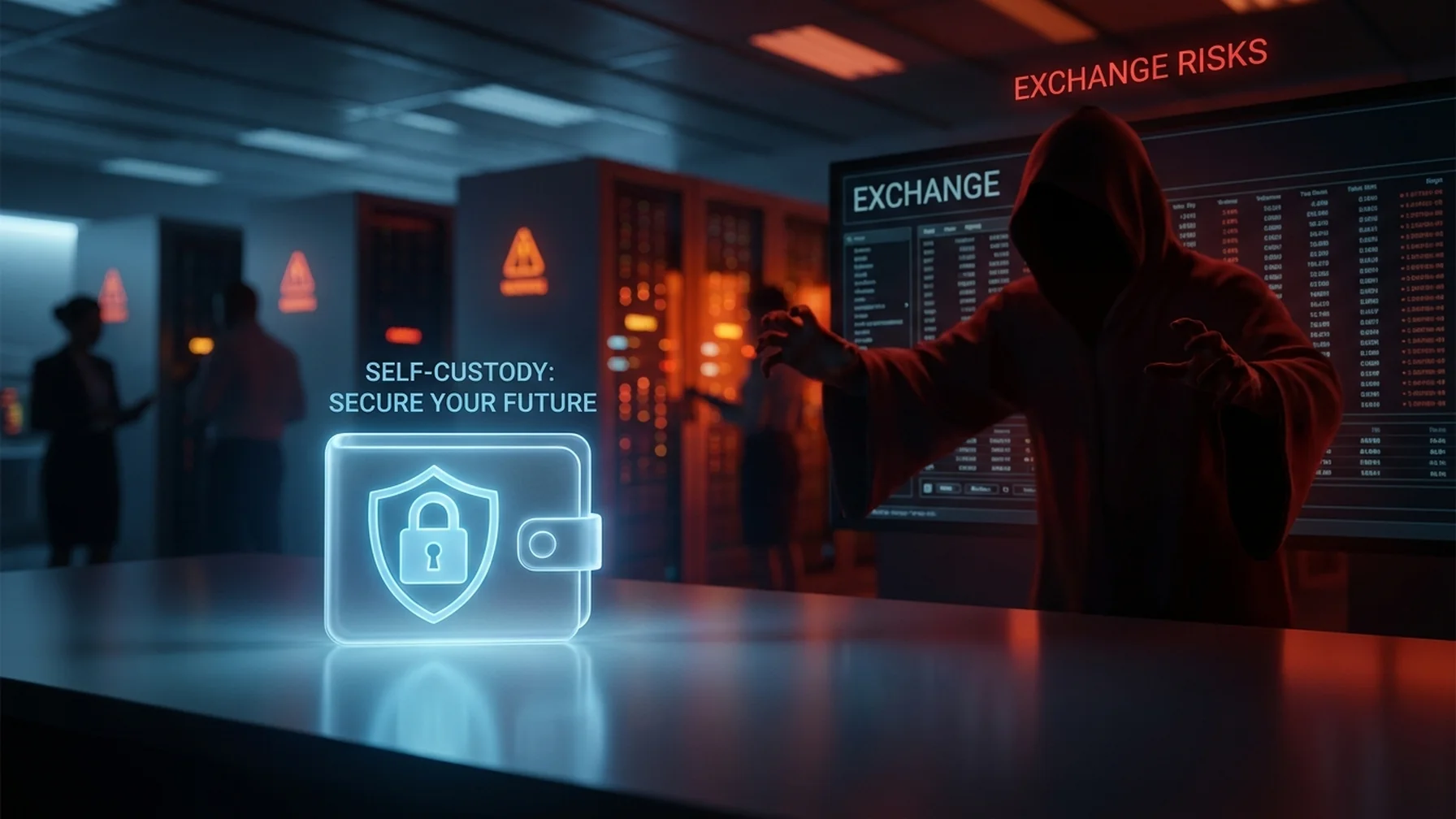
Self-custody refers to holding your crypto assets in personal wallets rather than on exchanges. This approach gives you full control over your private keys.
- Self-Custody: Provides full control, but requires diligent security practices.
- Exchange Storage: Easier for beginners, but poses risks if the exchange is hacked.
While exchanges offer convenience, self-custody provides a higher security level, especially against exchange-related threats. The infamous Mt. Gox exchange hack in 2014 resulted in the loss of 850,000 Bitcoins, illustrating the risk of keeping assets on an exchange.
Taking Crypto Off an Exchange
To enhance security, transferring your crypto from an exchange to a personal wallet is advisable. Begin by selecting a trustworthy wallet, then initiate a transfer from the exchange to your wallet address. Double-check the address carefully to avoid mistakes. In 2020, a user mistakenly sent 4.66 Bitcoin to an incorrect wallet address due to a simple copy-paste error, highlighting the importance of verifying addresses before transactions.
The Role of Hardware Wallets
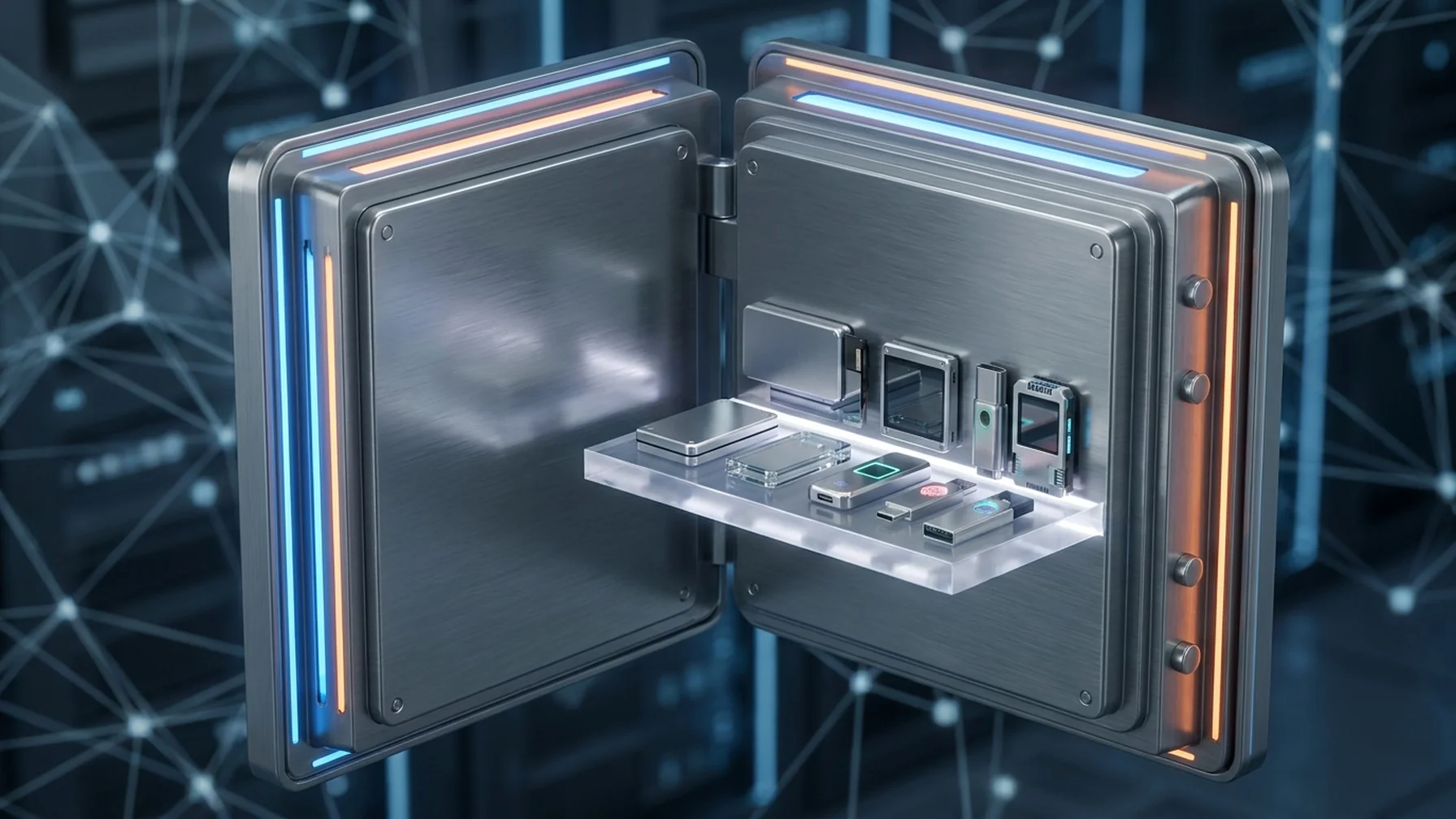
Hardware wallets are physical devices designed to securely store your private keys offline. These wallets are considered one of the safest options for self-custody.
- Pros: High security, offline storage.
- Cons: Cost and a learning curve for beginners.
For those new to hardware wallets, options like Ledger and Trezor are popular choices. Each has its own features and benefits, but both provide robust security against online threats. A real-world example is the 2017 attack on the Parity wallet, where over $150 million worth of Ethereum was frozen due to a vulnerability. Users with hardware wallets were unaffected, underscoring their security benefits.
Setting Up a Hardware Wallet
Setting up a hardware wallet involves a few key steps. First, purchase the wallet from a reputable source. Follow the instructions to initialize the device and generate a seed phrase. This phrase is your backup, so store it securely. In 2019, a user lost access to his hardware wallet containing $30,000 worth of Bitcoin because he misplaced his seed phrase, emphasizing the importance of secure storage.
Common Crypto Scams and How to Avoid Them
Crypto scams are prevalent, with tactics evolving constantly. Be aware of phishing attacks, where fraudulent emails or websites mimic legitimate ones to steal your information. In 2019, a phishing scam impersonating a popular exchange led to the loss of $2 million in Bitcoin. Always verify website URLs and be cautious of unsolicited communications.
Conclusion: Staying Safe in the Crypto World
Protecting your crypto from 51 percent attacks and other risks involves careful planning and informed decisions. By understanding the importance of self-custody, using hardware wallets, and staying vigilant against scams, you can enhance the security of your digital assets. Always prioritize security and remain aware of the evolving threats in the crypto landscape. For example, regularly updating your security practices and verifying transaction addresses can help prevent costly mistakes in the future.