
Recovering Lost Crypto Wallets: A Comprehensive Guide
Learn how to recover lost crypto wallets with our comprehensive guide. Secure your digital assets with essential strategies and reclaim your investments today.
In this article
Managing digital currencies brings both opportunities and challenges. One of the significant challenges is recovering lost crypto wallets. While this task can seem daunting, it is manageable with the right strategies. This guide will walk you through the essential steps to recover your lost crypto wallets, ensuring your digital assets remain secure.
Understanding Self-Custody: Your Keys, Your Coins
Self-custody means managing your own cryptocurrency assets without relying on exchanges. A popular saying in the crypto world, "not your keys, not your coins," captures the importance of owning your private keys. This section explains why having control over your private keys is crucial in safeguarding your assets.
Steps to Take Your Crypto Off an Exchange
Moving your cryptocurrency off an exchange is a crucial step in enhancing security. Here are the steps to do it effectively:
- Set up a secure wallet, such as a hardware wallet, for optimal security.
- Transfer your cryptocurrency from the exchange to your personal wallet.
- Check that the transaction is confirmed on the blockchain.
- Verify the balance in your wallet to ensure successful transfer.
By moving your digital assets to a self-custody wallet, you reduce reliance on exchanges and gain greater control over your investments. This action is particularly important following security breaches at major exchanges.
Recovering Lost Crypto Wallets: Key Steps to Follow
When it comes to recovering lost crypto wallets, the process can be complex. However, following some essential points can increase your chances of success:
- Check for backup phrases or private keys stored securely.
- Utilize wallet recovery tools and software that are available.
- Consult with community forums or professionals for additional guidance.
These steps can help you regain access to your digital assets. Patience and persistence are key as you navigate the recovery process.
Self-Custody vs. Exchange: Which Is Safer?
Storing your crypto on an exchange involves trusting that platform to safeguard your assets. However, exchanges can be vulnerable to hacks. In contrast, self-custody gives you full control and reduces the risk of losing assets due to an exchange hack. By managing your own private keys, you enhance your security posture.
Hardware Wallets: The Essentials
A hardware wallet is a physical device designed to store your cryptocurrency securely. It keeps your private keys offline, making it resistant to online hacks. Popular options for beginners include Ledger and Trezor. These devices offer robust security features that can prevent loss from phishing attacks.
Setting Up a Hardware Wallet
Setting up a hardware wallet is straightforward. Connect the device to your computer, install the necessary software, and follow the on-screen instructions to create a wallet. Remember to securely back up your recovery phrase during this process. This backup is crucial for recovering your assets if you lose access to the device.
Ledger vs. Trezor: A Quick Comparison
Ledger and Trezor are leading hardware wallets, each with distinct advantages. Here’s a comparison of their features:
Comparison of Ledger and Trezor:
| Feature | Ledger | Trezor |
|---|---|---|
| Design | Sleek and compact | Functional and user-friendly |
| Currency Support | Over 1,500 | Over 1,000 |
| Open Source | Partially | Yes |
| Security Features | Secure chip technology | PIN protection, passphrase support |
| Price Range | $$ | $$ |
Both Ledger and Trezor are highly regarded for their security and ease of use. Your choice may depend on the specific cryptocurrencies you wish to support or personal preferences regarding design and features.
Common Crypto Scams and How to Avoid Them
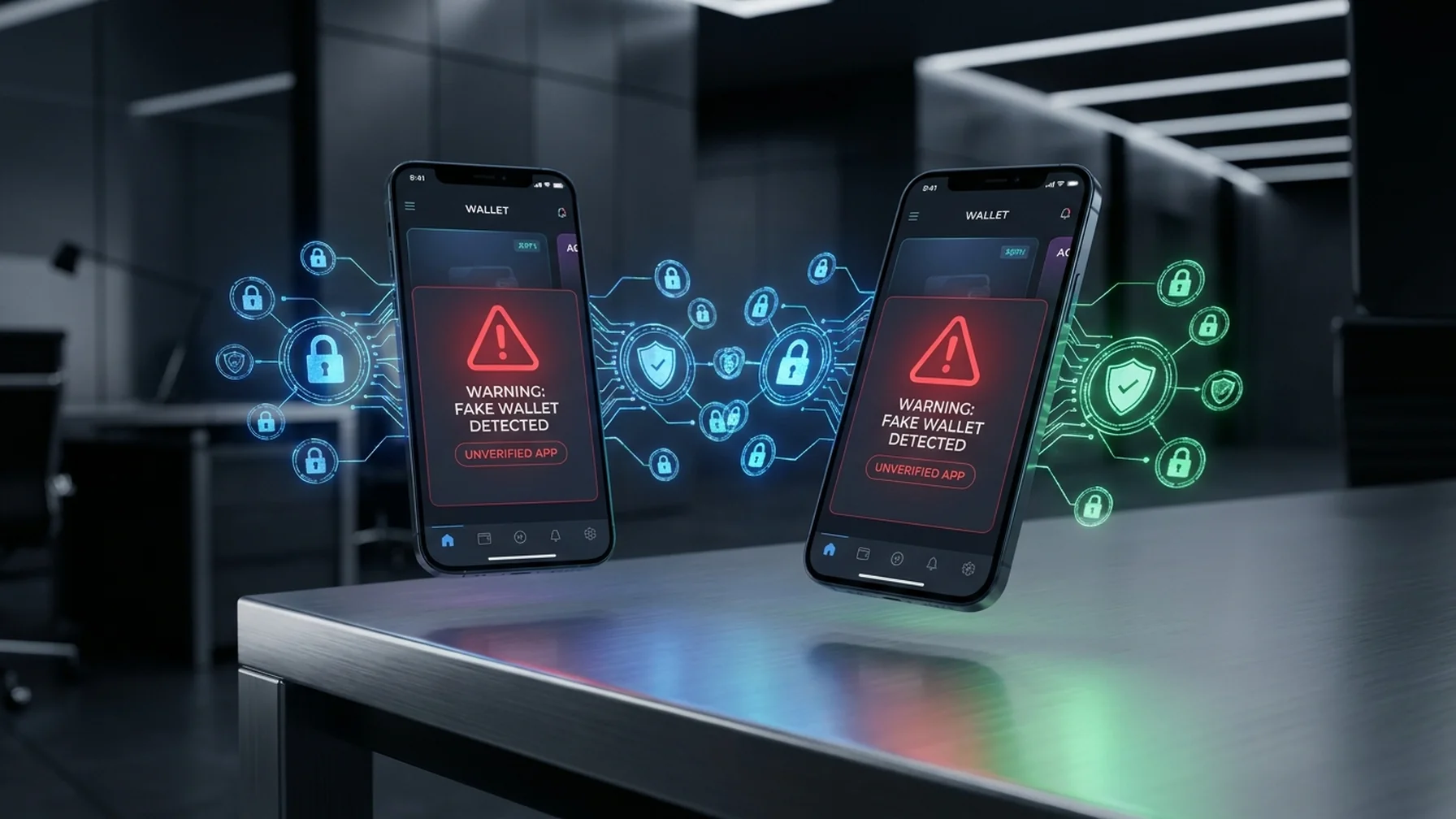
Crypto scams are widespread, with phishing and fake wallet apps being particularly common. Always verify the authenticity of websites and apps before entering sensitive information. Be cautious of unsolicited communications and offers that seem too good to be true.
Address Poisoning: What You Need to Know
Address poisoning involves sending small amounts of cryptocurrency to your address to confuse users and trick them into sending funds to a scammer. Always double-check your transaction details to avoid this trap. Vigilance and careful verification can prevent such losses.
Backing Up and Recovering Your Seed Phrase
Your seed phrase is vital for your wallet's security. Back it up in multiple secure locations. If you lose your seed phrase, recovering your crypto wallet becomes nearly impossible. However, if you still have access, create a new wallet and transfer your assets immediately.
Safeguarding Against Crypto Hacks
While you can't control blockchain network hacks, you can protect your assets by using secure wallet practices and staying informed about potential threats. Secure wallets and staying updated on network vulnerabilities are key to protecting against such attacks.
Common Mistakes in Crypto Security
Common mistakes include failing to back up your seed phrase or using weak passwords. Always ensure your recovery phrase is stored safely and use complex passwords for your crypto accounts. Keeping wallet software up-to-date is also crucial to mitigate risks.
Staying Safe in the Crypto World
The cryptocurrency landscape requires constant vigilance. By understanding self-custody, using hardware wallets, and being alert to scams, you can secure your digital assets. Continuous learning and adapting to the evolving security landscape are vital for staying safe.