Understanding Address Poisoning in Crypto Security
Learn how address poisoning in cryptocurrency can endanger your assets. Protect yourself from scams by understanding this deceptive tactic.
In this article
In the ever-changing landscape of cryptocurrency, understanding address poisoning is vital for protecting your digital assets. This deceptive tactic can lead to financial losses by confusing users. Address poisoning involves scammers creating fake crypto addresses that closely resemble legitimate ones. They perform low-value transactions with these fake addresses, hoping users will mistakenly copy the poisoned address for future transactions. By exploring the details of address poisoning, you can fortify your crypto wallet's defenses and protect yourself from falling victim to these sophisticated scams.
Defining Address Poisoning in Cryptocurrency
Address poisoning targets unsuspecting cryptocurrency users by taking advantage of their tendency to copy and paste addresses for transactions. Scammers create a fake address that closely resembles a legitimate one. They use this fake address in low-value transactions, hoping the user will mistakenly copy the poisoned address for future transactions. Consequently, funds may be sent to the scammer's address instead of the intended recipient, leading to a potential loss of funds.
Setting Up a Hardware Wallet
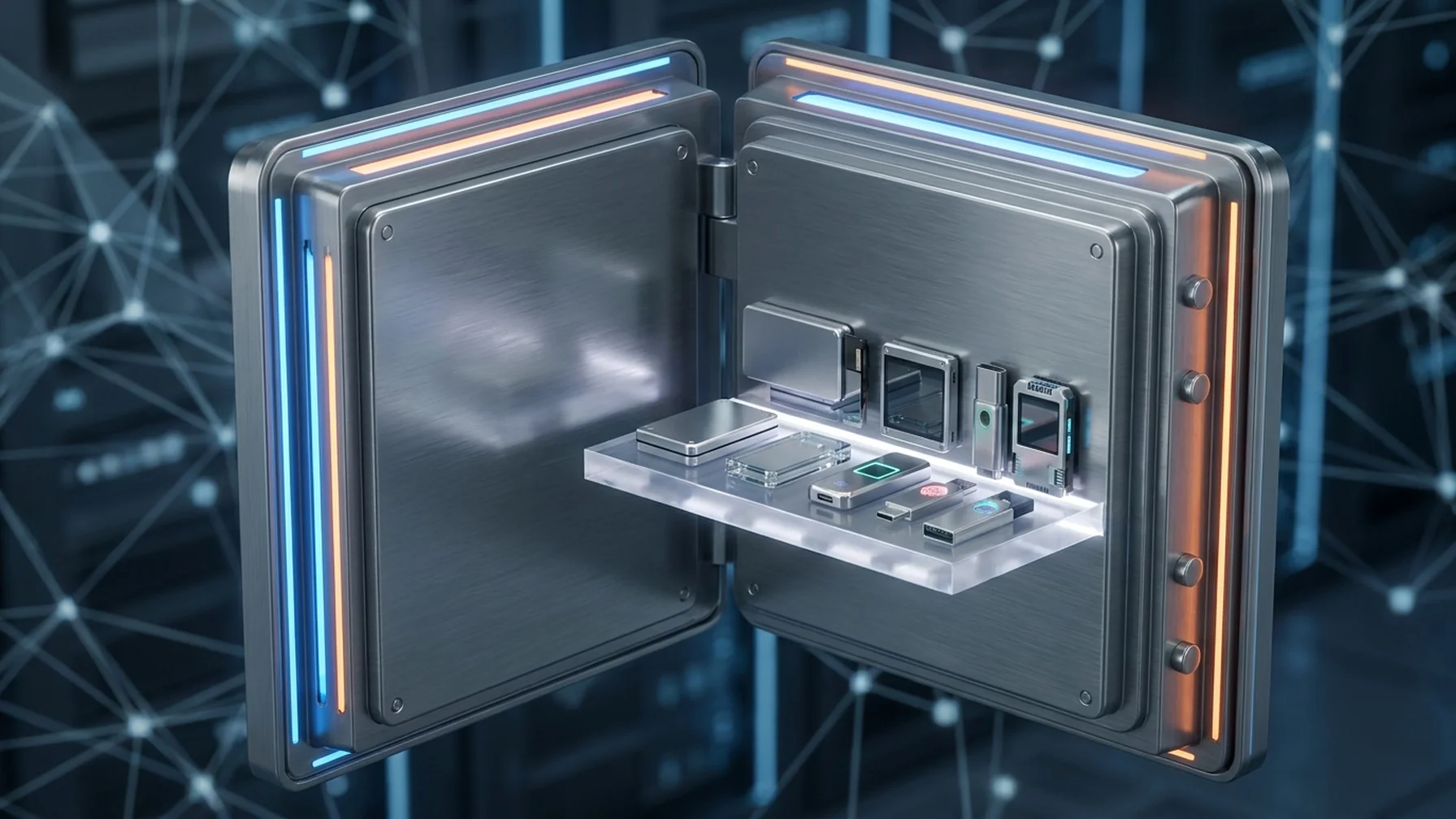
A hardware wallet is a physical device designed to securely store your cryptocurrency private keys offline, reducing the risk of online hacks and scams. Follow these steps to set it up:
- Purchase a hardware wallet from a reputable source.
- Connect the wallet to your computer and install the necessary software.
- Follow the setup instructions to create a new wallet and generate a recovery phrase.
- Store your recovery phrase offline in a secure location.
- Transfer your cryptocurrency to your new hardware wallet address.
Setting up a hardware wallet enhances the security of your crypto assets and reduces the risk of online threats. For example, during phishing attacks, users with hardware wallets remain protected due to offline storage and strong security measures.
Comparison of Popular Hardware Wallets
Below is a quick comparison of popular hardware wallets:
| Wallet Name | Features | Price Range |
|---|---|---|
| Ledger Nano S | Supports multiple cryptocurrencies, secure chip, user-friendly interface | $59 - $79 |
| Trezor Model T | Touchscreen, advanced security features, supports various coins | $169 - $199 |
Choosing the right hardware wallet depends on your specific needs and budget. Each option provides unique features to enhance your crypto security.
Self-Custody vs. Exchange: Keeping Your Coins Safe
Self-custody refers to holding and managing your cryptocurrency in a private wallet, giving you full control over your assets. In contrast, storing your crypto on an exchange means relying on the exchange's security measures. The phrase "not your keys, not your coins" underscores the importance of self-custody, as it ensures that you, not a third party, control your private keys.
A real-world scenario that illustrates this is the notorious Mt. Gox exchange hack, where users lost significant amounts of Bitcoin because they relied on the exchange to secure their assets. By opting for self-custody, users can avoid similar risks and maintain personal control over their cryptocurrency.
How to Transfer Crypto from an Exchange to a Wallet
To enhance security, consider transferring your cryptocurrency from an exchange to a personal wallet. Here are the steps:
- Create a secure wallet (hardware or software).
- Log into your exchange account and navigate to the "Withdraw" section.
- Enter your wallet address and the amount you wish to transfer.
- Double-check the address to prevent address poisoning.
- Confirm the transaction and monitor the transfer.
By following these steps, you reduce your exposure to exchange vulnerabilities and maintain control over your assets. An example of this in practice is the increasing trend of users moving their assets to hardware wallets following high-profile exchange hacks, ensuring they have full control and security over their crypto.
Pros and Cons of Self-Custody
- Pros: Full control over your private keys, enhanced security, reduced reliance on third-party security measures.
- Cons: Requires personal management of security and backups, potential risk of losing access if keys are misplaced.
While self-custody offers greater security, it also demands vigilance and responsibility in managing your private keys and recovery phrases. For instance, a user who loses their recovery phrase may find themselves unable to access their assets, highlighting the need for careful management.
Common Crypto Scams and How to Avoid Them
Being aware of common crypto scams, such as phishing, rug pulls, and fake wallet apps, is vital for safeguarding your assets. To avoid phishing, always verify the authenticity of websites and emails. Be cautious of offers that seem too good to be true and double-check URLs before entering sensitive information.
For example, a recent case involved a fake wallet app that appeared legitimate but was designed to steal users' private keys. Users who were cautious and verified the app's authenticity before downloading were able to avoid this trap, underscoring the importance of vigilance.
Address Poisoning: Key Takeaways
- Always verify the full address before sending funds.
- Use a hardware wallet to manage and secure your private keys.
- Be cautious of transactions involving minimal amounts as they could be attempts at address poisoning.
By staying informed and vigilant, you can protect yourself against address poisoning and other crypto scams. A user who consistently verifies addresses and uses a hardware wallet can avoid the pitfalls that have ensnared others in the crypto community.
Backing Up and Recovering Your Crypto Wallet
Backing up your seed phrase is essential for recovering your crypto wallet if lost. Store the phrase securely, preferably offline, and in multiple locations. If you lose your seed phrase, recovering your wallet may be impossible, highlighting the importance of careful storage.
Consider the experience of a user who lost their phone containing their digital wallet. Because they had backed up their seed phrase securely, they were able to restore access to their wallet, avoiding what could have been a significant financial loss.
Understanding these aspects of crypto security, including the dangers of address poisoning, empowers you to manage your digital assets confidently and securely.