
Understanding Crypto Recovery Phrases
Learn about crypto recovery phrases, their importance in securing your digital assets, and how to effectively manage and protect your cryptocurrency wallet.
In this article
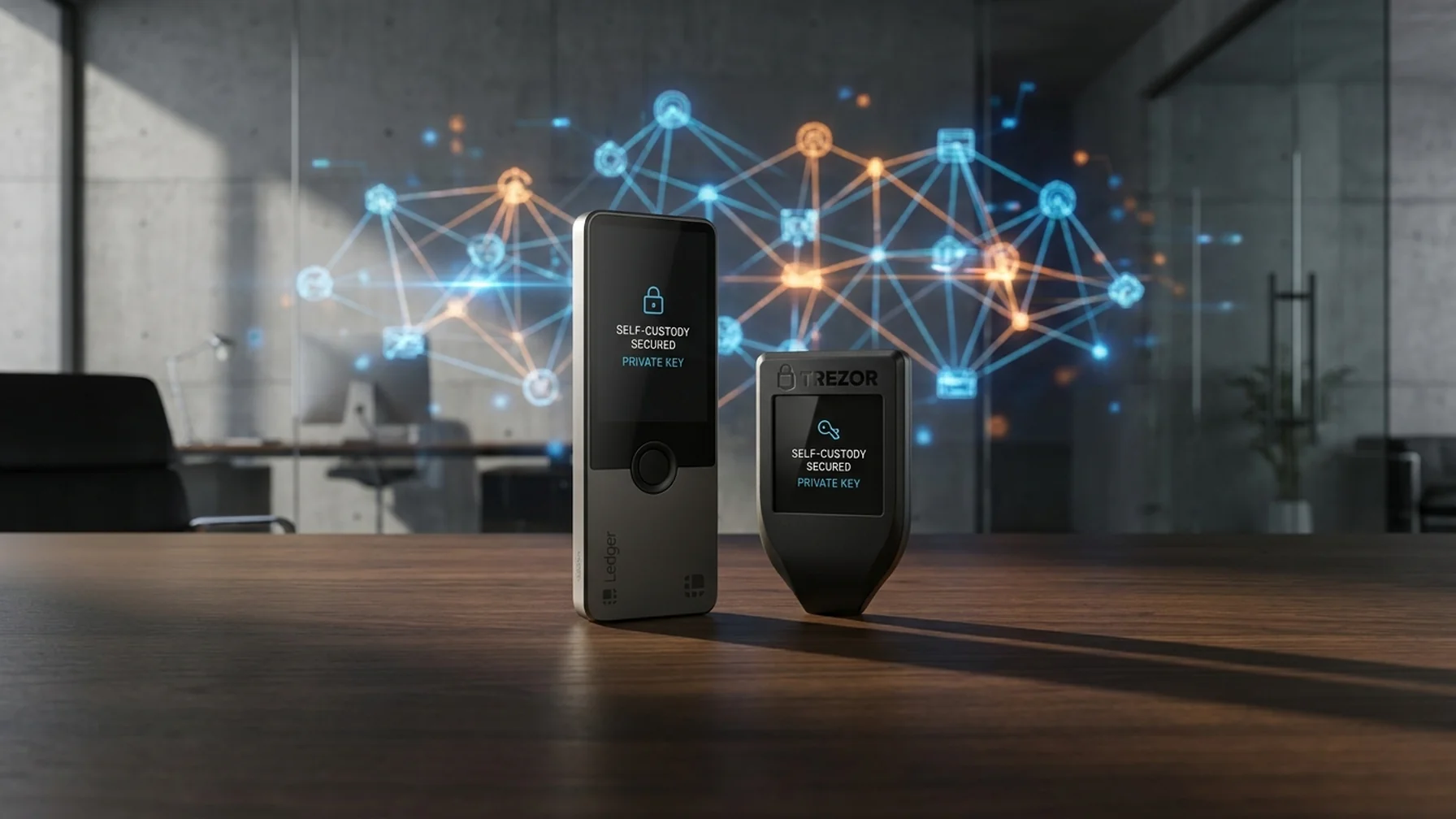
Cryptocurrency security is crucial in the digital age. A key aspect of this security is understanding crypto recovery phrases. These phrases are essential for accessing and managing your digital assets, especially when you choose self-custody. This article explores crypto security and storage, focusing on self-custody, hardware wallets, and strategies to protect your assets.
What Is a Crypto Recovery Phrase?
A crypto recovery phrase, often called a seed phrase, is a set of 12 to 24 words generated when you set up a cryptocurrency wallet. This phrase acts as a backup and is the only way to regain access to your wallet if you lose your primary access methods.
Key Components of Crypto Recovery Phrases
Understanding the components of crypto recovery phrases is essential for safeguarding your digital assets. Here are the main elements:
- Mnemonic Device: The phrase serves as a mnemonic to help you remember your private key.
- Word Count: Typically consists of 12 to 24 words.
- Order Matters: The sequence of words must be preserved exactly.
Each component plays a critical role in ensuring that you can access your assets when needed.
Self-Custody vs. Exchange Storage
Self-custody means you control your crypto assets directly, managing your private keys and recovery phrases. In contrast, exchange storage involves trusting a third-party platform to secure your assets. Here is a comparison:
| Storage Method | Control | Risk |
|---|---|---|
| Self-Custody | Full control over assets | Responsibility for security |
| Exchange Storage | Limited control | Potential for hacks |
Evaluate these options carefully to choose the best fit for your needs.
How to Take Crypto Off an Exchange
To transfer your crypto from an exchange to a self-custody wallet, follow these steps:
- Log into your exchange account.
- Select the cryptocurrency you wish to transfer.
- Initiate a withdrawal and enter your self-custody wallet address.
- Verify transaction details and complete the process.
Double-check all details to avoid irreversible errors in your transactions.
Setting Up a Hardware Wallet
Setting up a hardware wallet is straightforward and enhances your crypto security. Follow these steps:
- Purchase a hardware wallet from a reputable vendor.
- Connect the device to your computer and install the manufacturer's software.
- Create a new wallet and generate a recovery phrase.
- Securely store your recovery phrase in a safe location.
Regularly update the device firmware to maintain optimal security.
Pros and Cons of Self-Custody
Considering self-custody? Here are the main advantages and disadvantages:
- Pros: Full control, enhanced security, privacy.
- Cons: Requires personal responsibility, risk of losing access.
Weigh these factors to decide on the storage method that aligns with your security needs.
Backing Up and Storing Your Recovery Phrase
Your recovery phrase is your lifeline to your wallet. Follow these tips for secure storage:
- Write it down on paper and store it in a fireproof safe.
- Avoid digital copies to prevent hacking risks.
- Use multiple secure locations for backups.
Proper storage ensures you retain access to your wallet even if your device is lost or damaged.
Common Crypto Scams and How to Avoid Them
Scams are a significant threat in the crypto space. Here are some common scams and tips to avoid them:
- Phishing: Verify website and email authenticity.
- Rug Pulls: Conduct thorough research before investing.
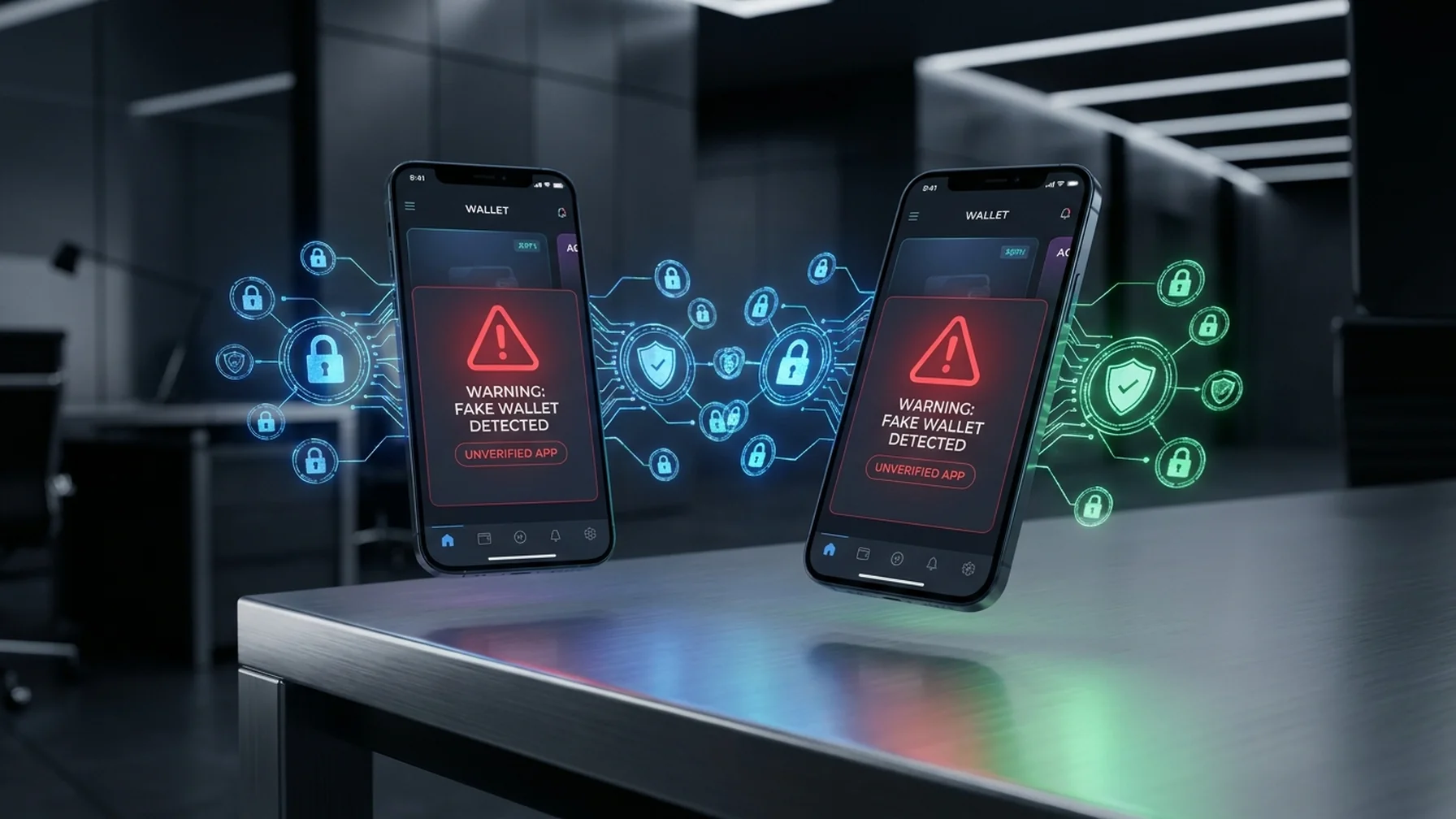
- Fake Wallet Apps: Download apps only from official sources.
- Address Poisoning: Always double-check wallet addresses.
Staying informed and cautious is crucial to safeguarding your digital assets from scams.
What to Do If You Lose Your Seed Phrase
Losing your seed phrase can be catastrophic, potentially leading to the permanent loss of your funds. If this happens, check all possible storage locations and seek advice from crypto professionals for potential recovery solutions.